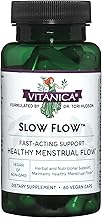
For centuries, Mugwort (Artemisia vulgaris) has been a cornerstone of herbal traditions across the globe. Known as a "dream herb" and a powerful digestive aid, this aromatic plant is experiencing a modern resurgence. Whether you're seeking to improve sleep, support digestion, or explore natural skincare, understanding Mugwort and sourcing high-quality products is key. This guide delves into the benefits, uses, and how to choose the best Mugwort products available today.
What is Mugwort? Ancient Roots and Modern Recognition
Mugwort is a perennial herb belonging to the Artemisia family. It's characterized by its silvery-green leaves and a distinctive, slightly bitter aroma. Historically, it has been used in European folk medicine, Traditional Chinese Medicine (Moxa), and various spiritual practices for its purported ability to induce vivid dreams. Today, it's celebrated as a versatile herbal remedy and a star ingredient in Korean skincare.
Key Benefits and Uses of Mugwort
The applications of Mugwort are diverse, spanning internal wellness and topical care.
1. Digestive and Gut Health
One of the most celebrated uses of Mugwort is as a digestive aid tea. It's believed to stimulate digestive juices, ease bloating, and support overall gut health. A warm cup of Mugwort tea after a meal can be a soothing ritual. Products like Jarteela's Mugwort Tea Bags are specifically marketed for digestion, offering a convenient, caffeine-free option.
2. Sleep and Relaxation
Often called the "dream herb," Mugwort is traditionally used to promote lucid dreaming and a restful night's sleep. Its calming properties make it an excellent evening beverage. For a pure, stem-free experience, consider INVENKO's Dried Mugwort Leaves, which are hand-picked and free from additives.
3. Antioxidant Powerhouse
Mugwort is rich in antioxidants, which help combat oxidative stress in the body. This makes it a valuable addition to a natural wellness routine. Brands like FullChea and Samcci highlight the antioxidant richness of their Mugwort tea bags.
4. Soothing Skincare
The Korean beauty industry has harnessed Mugwort's anti-inflammatory and soothing properties. I'm From Mugwort Essence is a prime example—a hydrating toner designed to calm sensitive, irritated skin and reduce redness, making it a staple in K-Beauty routines.
How to Choose High-Quality Mugwort Products
Not all Mugwort is created equal. Here’s what to look for:
Purity and Processing: Opt for products that specify "pure leaves" with minimal stems and stalks. UNIGEMSMYTH Ripple Stream Mugwort and Zungtin Mugwort Herb are excellent examples of fine-picked, stem-free dried mugwort leaves.
Organic and Chemical-Free: To ensure you're getting a clean product, look for organic herbs that are chemical-free. Organic Mugwort Tea Loose Leaf and Starwest Botanicals Organic Mugwort Herb are certified organic choices.
Form Factor: Decide based on your preference. Loose leaf herb offers the most flexibility for tea brewing or other uses. Tea bags, like those from Samcci or FullChea, provide ultimate convenience. For culinary or large-scale use, bulk herbs like the 1 lb bag from Starwest Botanicals are economical.
Incorporating Mugwort into Your Routine
For tea, steep 1-2 teaspoons of dried Mugwort leaves in hot water for 5-10 minutes. Start with a weak brew to assess tolerance. In skincare, apply a Mugwort essence after cleansing to soothe and hydrate. You can learn more detailed methods in our Mugwort Tea Brewing Guide and Mugwort Essence Benefits blog posts.
Precautions: Pregnant or breastfeeding women should avoid Mugwort. Those with allergies to plants in the Asteraceae family (like ragweed) should use caution. Always consult a healthcare provider before using new herbal supplements.
From its role as a ancient dream herb to its modern applications in natural health and beauty, Mugwort offers a unique blend of tradition and science. By choosing high-quality, pure products—whether it's a simple herbal tea or a sophisticated skincare essence—you can safely explore the myriad benefits of this remarkable Artemisia vulgaris plant.